Skip to content

Biotechnology Research

Research Planning for Life Science Startups

Research planning decides which experiments a young company runs, in what order, and what each result has to show. A good plan starts from the decision the data must support, such as a license, a partnership or a fundraise, and works back to the studies, budget and timeline that get there.

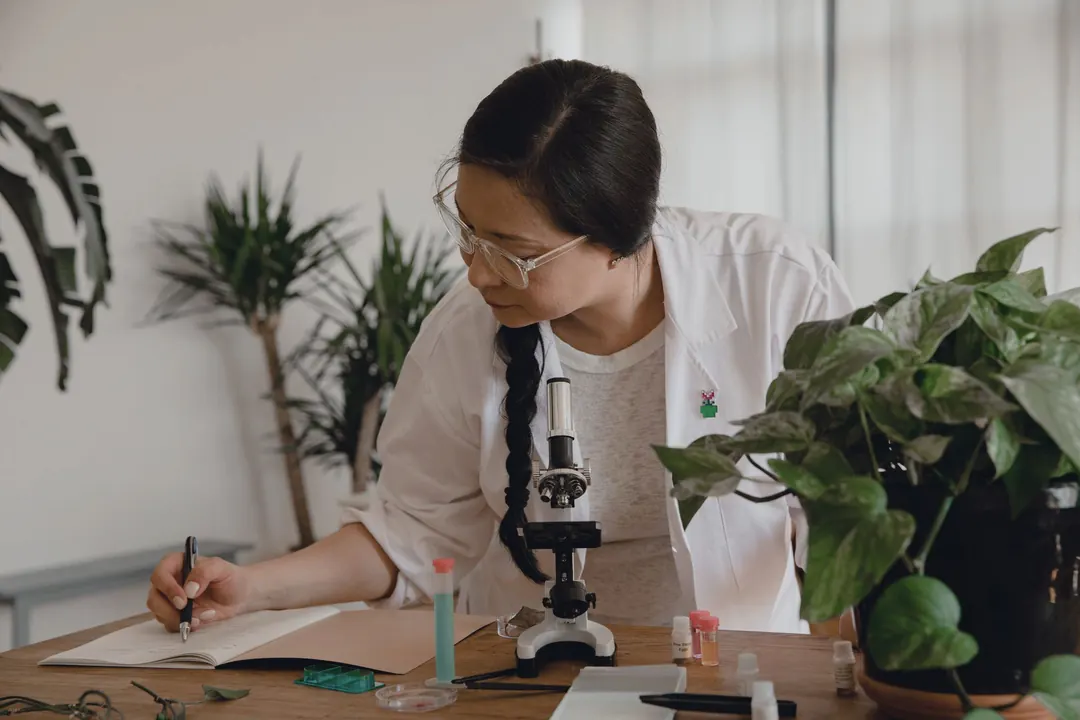
A researcher writes in a notebook beside a microscope and plants.

Start From the Decision, Not the Experiment

Academic research follows the most interesting question. A company’s research has to answer the questions that stand between it and its next milestone. We begin by writing those questions down: what a partner would need to see, what an investor will test in diligence, and what later development will depend on.

What a Research Plan Includes

The hypotheses and the experiments that test them; the models, assays and controls; the go and no-go criteria for each step; the materials and methods a partner lab needs; and the budget and timeline, staged so early results can change later plans.

We also plan for reproducibility. A result that holds up when repeated, ideally in a second setting, carries far more weight than a single striking experiment.

Keeping the Plan Alive

Plans change as data arrives. We review results against the criteria set at the start, adjust the next studies, and keep the budget and milestones in step, so the company always knows what it has shown and what it still needs to show.

Common Questions

  • How long does research planning take?

    A first plan usually takes a few weeks of working sessions with the founding team, depending on how much prior data exists and how many questions are open.

  • Can a plan be used in investor materials?

    Yes. A clear plan with milestones and criteria is the backbone of the use-of-funds story investors ask for.

Related Services

Two scientists compare results on a clipboard by a window.

Get Started

Ready to Transform Your Science into a Company?

We partner with founders and research teams committed to bringing breakthrough science to market.