Skip to content

Gene Therapy

Commercializing Gene Therapy

Gene therapy companies have to show more than a working construct. They need a delivery approach that reaches the right cells, a dose that is effective and tolerated, evidence of durable effect, manufacturing that can supply patients, and intellectual property that covers the product and how it is made.

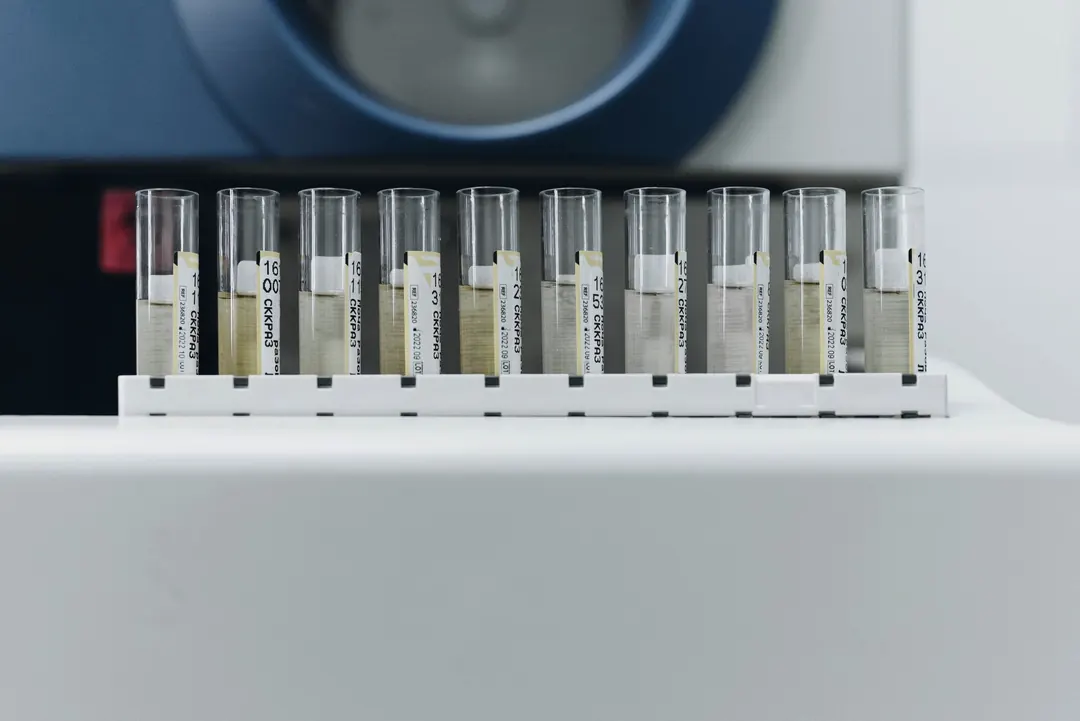
A row of labelled sample tubes in an instrument.

Key Questions for an Early Program

Which delivery vehicle, and why; what the target tissue and patient population are; how effect and safety will be measured in models; how long the effect lasts; and what manufacturing capacity the program will need as it grows.

Intellectual Property and Freedom to Operate

Gene therapy patents cover vectors, capsids, promoters, manufacturing methods and uses, and the landscape is crowded. A patent landscape analysis and freedom-to-operate assessment early on show where a program has room and where it may need licenses.

Building the Program

We help founders plan research and preclinical work with partner labs, map the regulatory path, and structure the company and its financing around the milestones that matter most in this field.

Common Questions

  • Is freedom to operate a concern for an academic gene therapy program?

    Often, yes. Research use may not need licenses, but a commercial product usually does. Knowing the landscape early shapes both the science and the deal terms.

Related Services

Two scientists compare results on a clipboard by a window.

Get Started

Ready to Transform Your Science into a Company?

We partner with founders and research teams committed to bringing breakthrough science to market.