Skip to content

Regenerative Medicine

Commercializing Regenerative Medicine

Regenerative medicine products, from cell therapies to engineered tissues and biomaterials, face questions beyond efficacy: how the product is made at scale, how its potency is measured, and how it reaches patients. Planning for those questions early is as important as the biology.

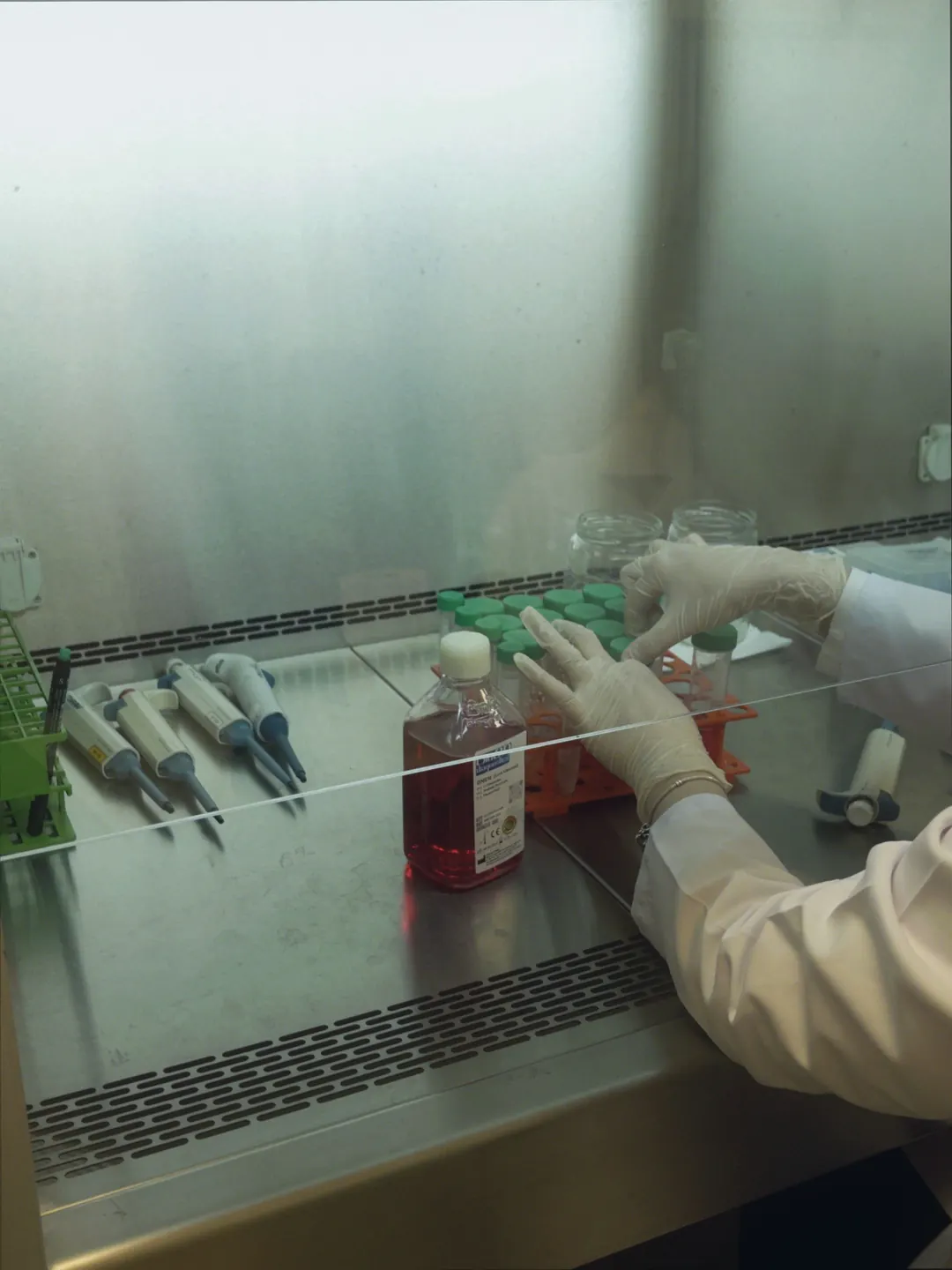
A technician works with cell culture flasks behind the glass of a biosafety cabinet.

What Sets the Field Apart

Living and complex products vary more than conventional drugs. Sourcing of cells and materials, manufacturing processes, and assays that show each batch works become part of the product itself and of its regulatory case.

Early Priorities

A mechanism supported by data in relevant models; a manufacturing approach that can grow beyond the academic lab; potency and characterization assays; intellectual property that covers methods as well as compositions; and a realistic view of cost of goods and delivery.

How We Help

We work with founders to plan the research that answers these questions, select partner labs suited to the methods, and connect the work to regulatory and financing milestones.

Common Questions

  • Why does manufacturing matter so early for cell and tissue products?

    Because changing the process later can mean repeating studies to show the product is still the same. Choices made in early research carry forward.

Related Services

Two scientists compare results on a clipboard by a window.

Get Started

Ready to Transform Your Science into a Company?

We partner with founders and research teams committed to bringing breakthrough science to market.