Skip to content

Rare Diseases

Building Companies for Rare Diseases

Companies developing treatments for rare diseases work with small patient populations, limited natural history data and specialist clinical sites. They can also benefit from designations and programs created for these conditions, and from close work with patient communities. Planning around both from the start shapes the research, the trials and the business.

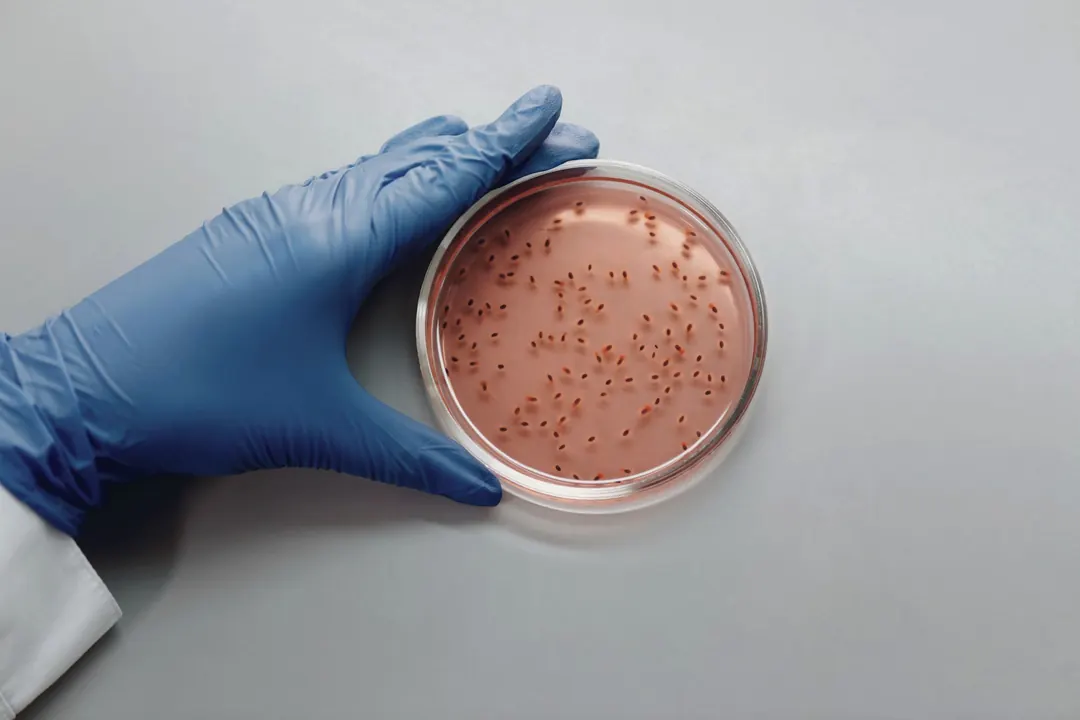
A gloved hand holds a culture plate with colonies growing across it.

What Is Different

Small populations make trials harder to design and enroll. Disease courses are often poorly documented, so natural history data and meaningful endpoints have to be built. Patients and advocacy groups are frequently central partners in research and recruitment.

Programs and Designations

Regulators in the United States, Europe and elsewhere offer orphan designations and related programs for rare conditions, with benefits that can include assistance, fee reductions and periods of market exclusivity. Understanding them early informs the development plan and the company’s value.

How We Help

We help founders plan research and endpoints, prepare regulatory strategy and agency meetings, and build the financing and partnerships a rare disease program needs.

Common Questions

  • Can a rare disease company be a sound business?

    It can, with a clear view of the patient population, the development path, pricing and access, and the programs available for rare conditions. These belong in the plan from the beginning.

Related Services

Two scientists compare results on a clipboard by a window.

Get Started

Ready to Transform Your Science into a Company?

We partner with founders and research teams committed to bringing breakthrough science to market.